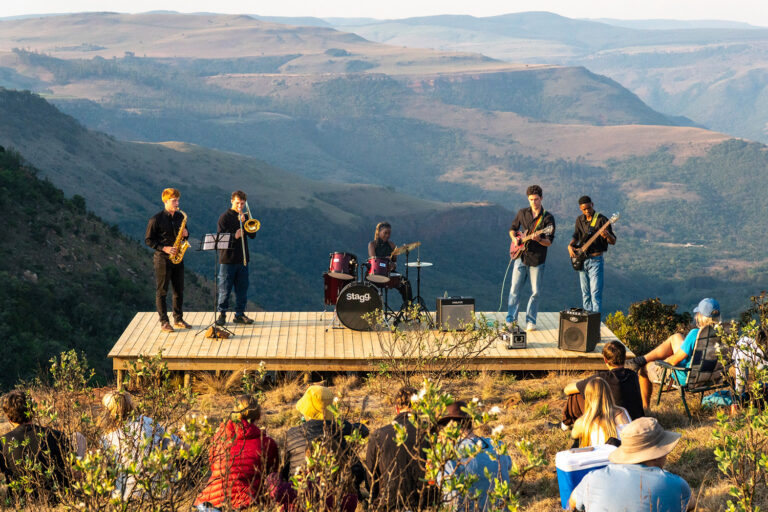
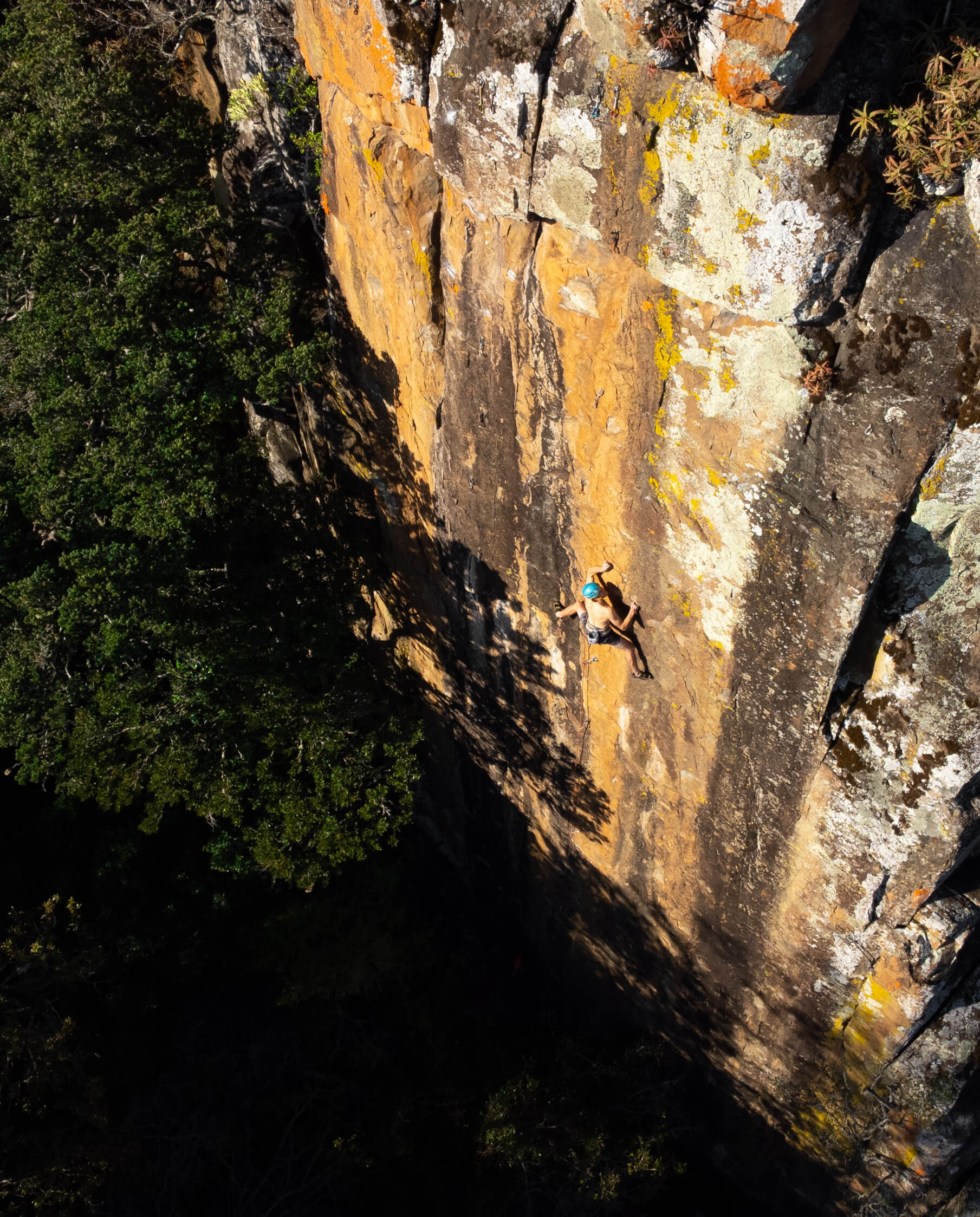
Nestled high in the Amatola mountains, Fort Fordyce Nature Reserve is a hidden gem. There’s something about this range of hills that has a mythical and magical feeling to it. The climbing is on bomber, vertical, (sometimes overhanging) dolerite set in beautiful Afromontane Mistbelt Forest with massive Yellowwoods and other indigenous trees interspersed around the crags. The climbing is quality – right across a range of grades. Adam Ondra opened some brick hard lines here during the Eastern Cape Rock n’ Road trip – one line he called 9a or harder and is still today unopened! Could it be the hardest line in South Africa, just waiting for a first ascent?
Adam [Ondra] said the line was at least 9a, possibly 9b or 9c, a very hard bloc. The line goes, but it would take him 6 days of work.
Climbing Information
Fordyce is a sport climbers paradise. All the routes are well equipped with bolts and anchors that are still in great condition at the time of writing. The rock is gruff and offers brilliant friction, but the downside is that your skin doesn’t last too long if you’re not conditioned to climb on it. There are also some fantastic traditional crack routes and some of the sport climbs can be done on gear, so if you’re psyched on trad, bring a rack – you won’t run out of things to do here. Derek Marshall has put together a fantastic free guidebook that covers all the climbs in the area, everything you need to know and more can be found on his website. The guide is free and convenient to download in PDF format here.
My recommendations for must-do sport routes are (but not limited to!):
- Flo – Jo Lilting (17) at Mojo Sector
- Birthday Crack (19) at Labour ward
- Mojo Rising (21) at Mojo Sector
- Jungle Fever Arete (22) at the Fever ward
- Dream Stealer (24) at Orange wall
- Collective Unconsciousness (25) at the Forgotten Dreams sector
- Cookie Monster (30) at Orange Wall
Season
Fort Fordyce is best visited during the Eastern Cape winter (June – August), as most of the crags are either very wet and seepy due to higher rainfall, or very hot during summer, so winter is when you will see the best conditions.
Accommodation
Camping here is very reasonably priced and is set in a beautiful spot amongst some indigenous bush, near a small dam where the reserve gets it water supply from. All the Fordyce crags are easily accessible on foot from this campsite. There are two large wooden decks here with a roof that allows you to pitch your tent in comfort. For camping you can generally just turn up (make sure to have cash as their card machine doesn’t always work) or if you would like to book, this can easily be done through the ECPTA website.
If you’d prefer to stay in a house, they have a beautiful old farmhouse available called Lourie’s Rest. It looks over the Katberg mountains, the Elandsberg, Geika’s Kop and even Hogsback can be seen in the distance. The sunrises seen here are magnificent – hands down the best in the country. Goosebumps level stuff. Maqoma’s den is a smaller chalet; a great alternative when Lourie’s rest is booked up.
These are slightly further away from the climbing areas than the campsite, but still easily within walking distance of most of the crags.
History of the Area
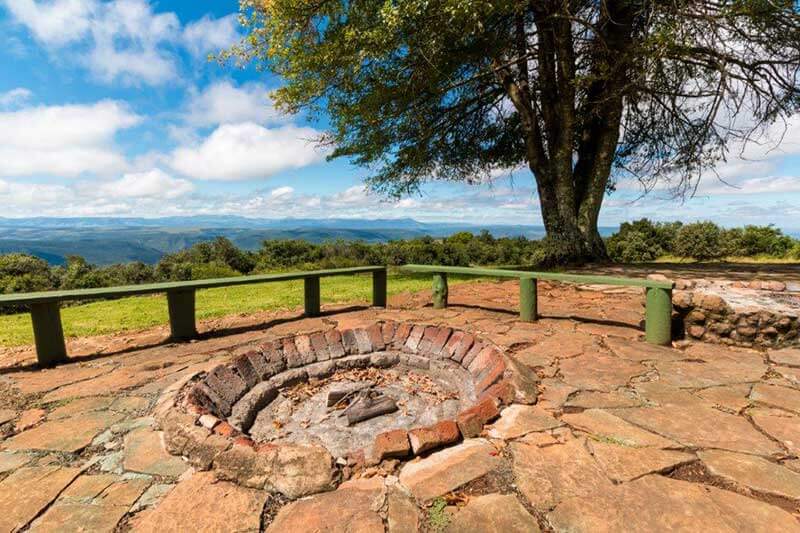
The whole area is steeped in rich history that can still be appreciated when exploring the area. From San-Paintings to the remnants of forts. An almost unfathomably large oak tree stands in majestic fashion near the site of the fort, which was said to have been planted by a British Forester, long ago.
The fort was a British outpost from the 19th Century frontier wars. During the 8th Fontier war, Lietenant-Colonel John Fordyce of the 74th Regiment, ordered his troops back to Waterkloof pass after previously retreating and regrouping in Fort Beaufort. During their trek the party was ambushed by Xhosa soldiers. Fordyce was the first to fall and the fort and surrounding area later became known as “Fort Fordyce” after this historic occurrence.
During the frontier wars in this area, the British were often caught off guard, with Xhosa soldiers taking advantage of the surroundings and being known for their impressive guerrilla style warfare.
To read more about the history of Fort Fordyce, click here.
Rest Days
Fort Fordyce has several hiking trails that are well maintained and well worth seeing. Maps and information can be found at reception. The dam near the campsite has largemouth bass in it – so if you like bass fishing, take your fishing pole. Another must do activity is to see the sunset from the top of Sunset crag. There is a beautiful wide valley where the sun sets directly into the ‘V’ at the end of the valley. Here you will even find a ‘throne’ made from rocks by climbers. Sit down on the throne and watch the sunset here after a day of climbing!
A customary stop for climbers is the nearby Baddaford’s Farm stall – great coffee and food, and a chance to see the rare Cape Parrots in the gum trees behind the padstal!
Vehicle
You will see on the ECPTA Website that the road up to Fort Fordyce can only be done in a 4×4. This is not exactly true; it is easily do-able in a vehicle with decent ground clearance. We used to do it in a Toyota Yaris almost every weekend and were fine, but I would recommend a high clearance vehicle as the road has worsened slightly since then.
If you’re considering a trip, feel free to drop a comment below if you have any questions, I’d be happy to help!