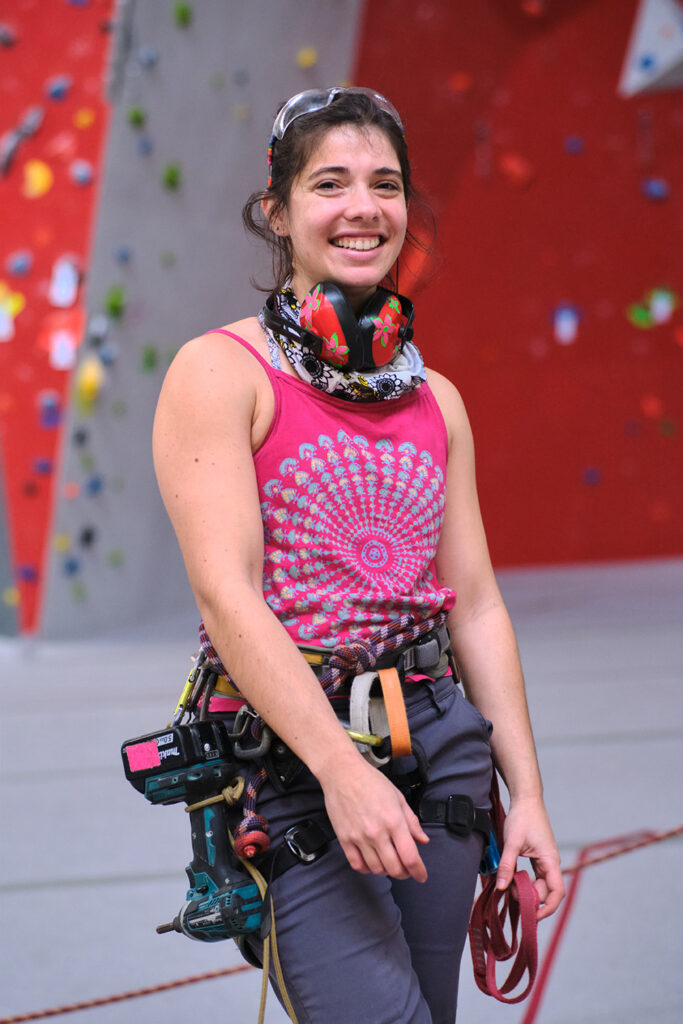
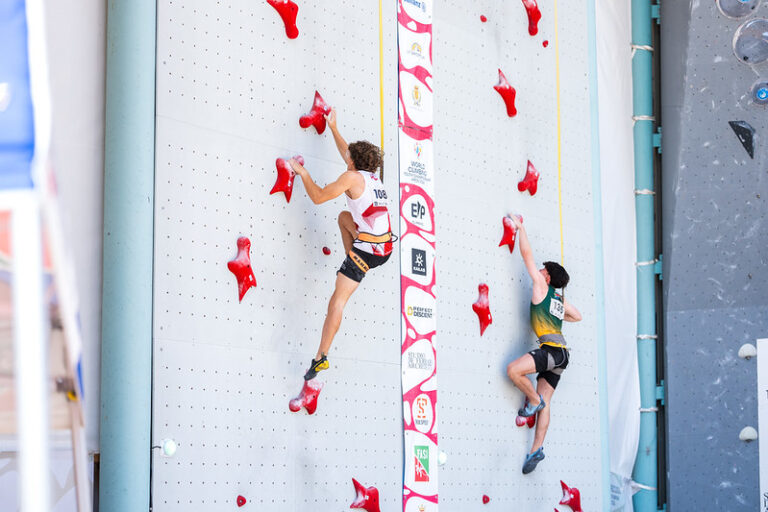
I remember listing my current injuries to someone I was route-setting with one day. They just started laughing. I paused for a moment, then added, “Oh yes, and my knee too.” It sounded absurd when I said it out loud. My body has been through so much, yet somehow, I manage to find the willpower to rise from the ashes like a phoenix — time and time again.
I’ve had an obscene number of injuries over the years:
Injuries Over the Years
- 2009 – Wrist (chronic; hates slopers)
- 2017 – Finger injury
- 2018 – Dislocated shoulder
- 2019 – Whiplash
- 2020 – Suspected meniscus tear & wrist issues
- 2021 – Two separate whiplash injuries in two months
- 2022 – Torn finger pulley & broken foot
- 2023 – Mild whiplash and concussion
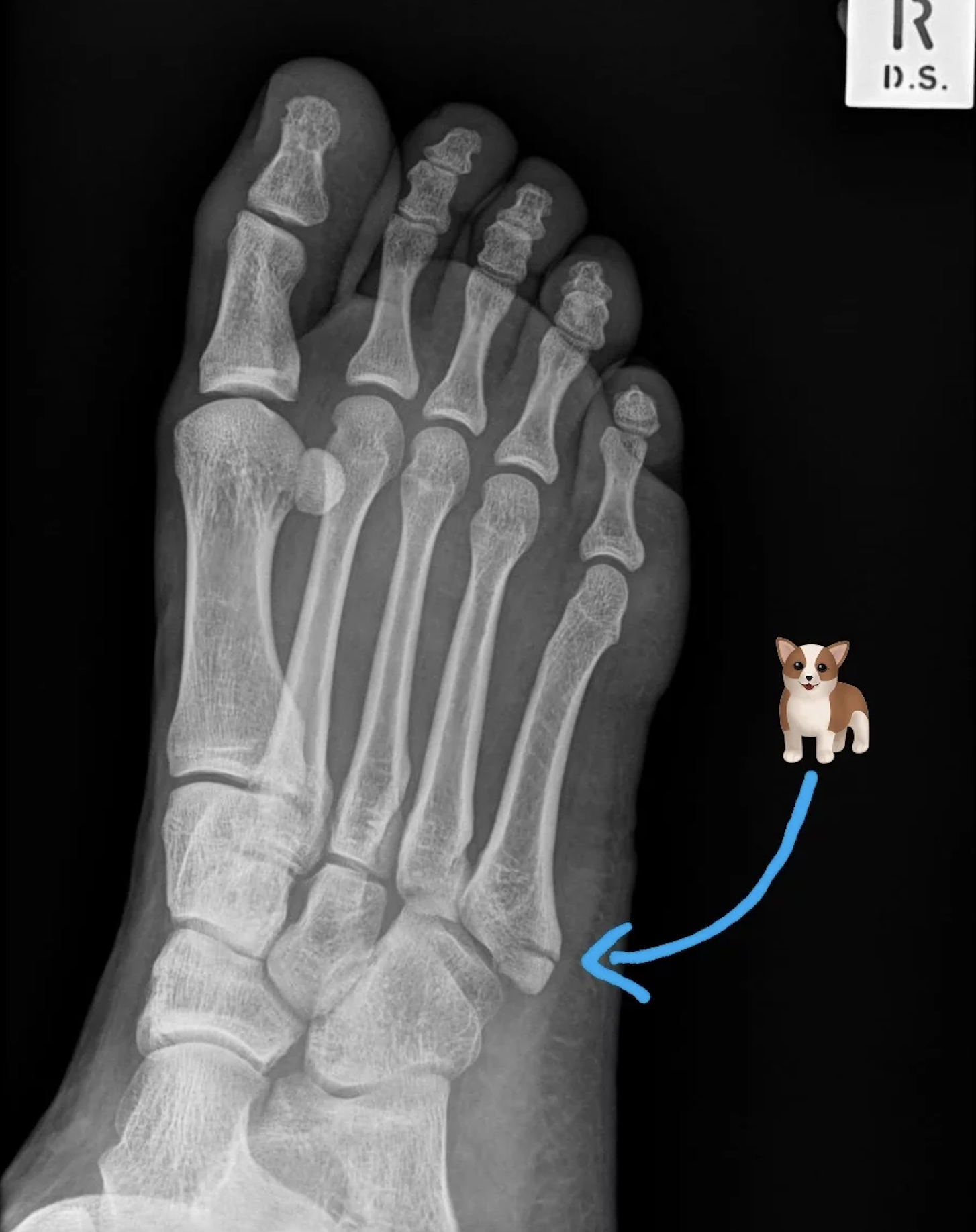
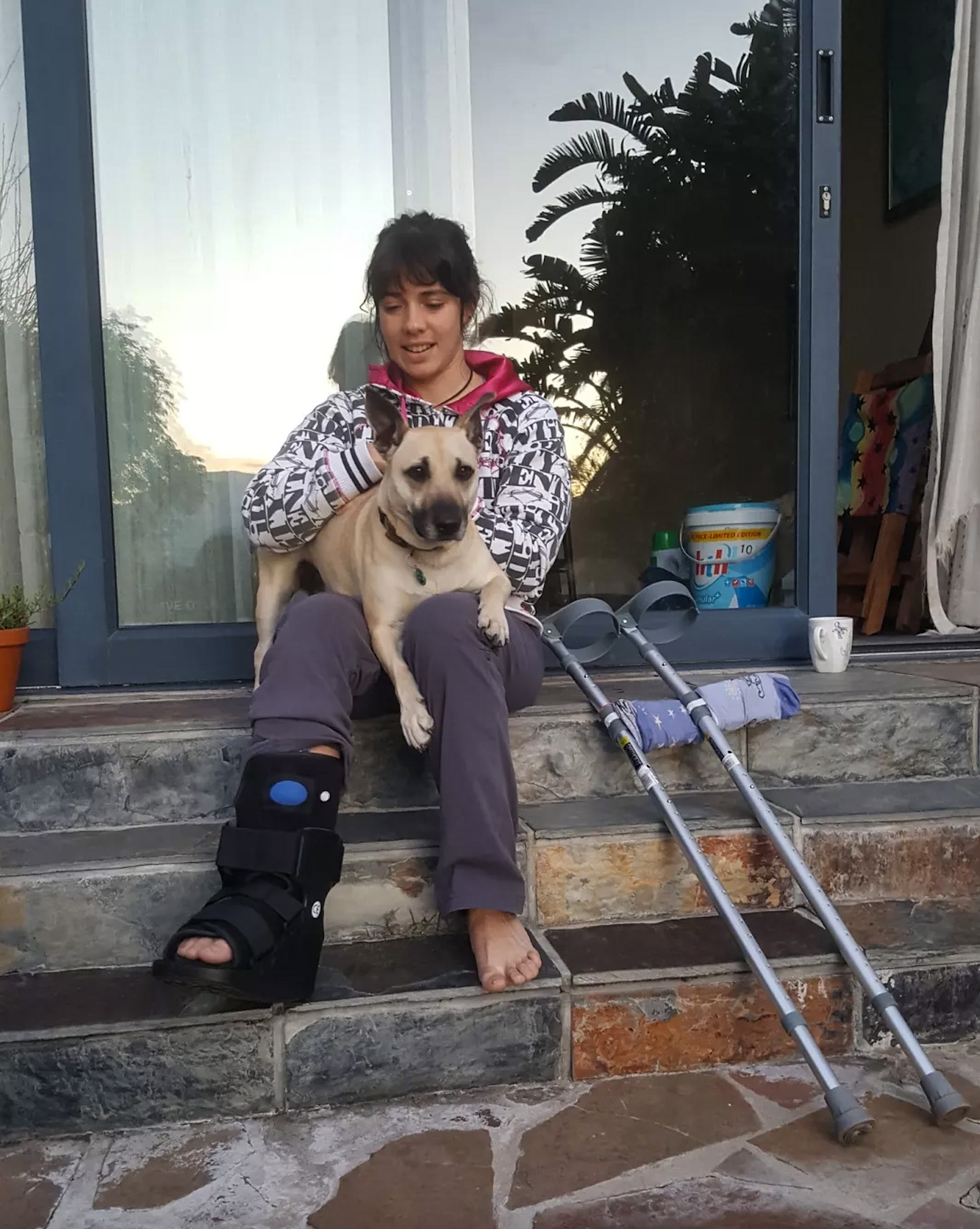
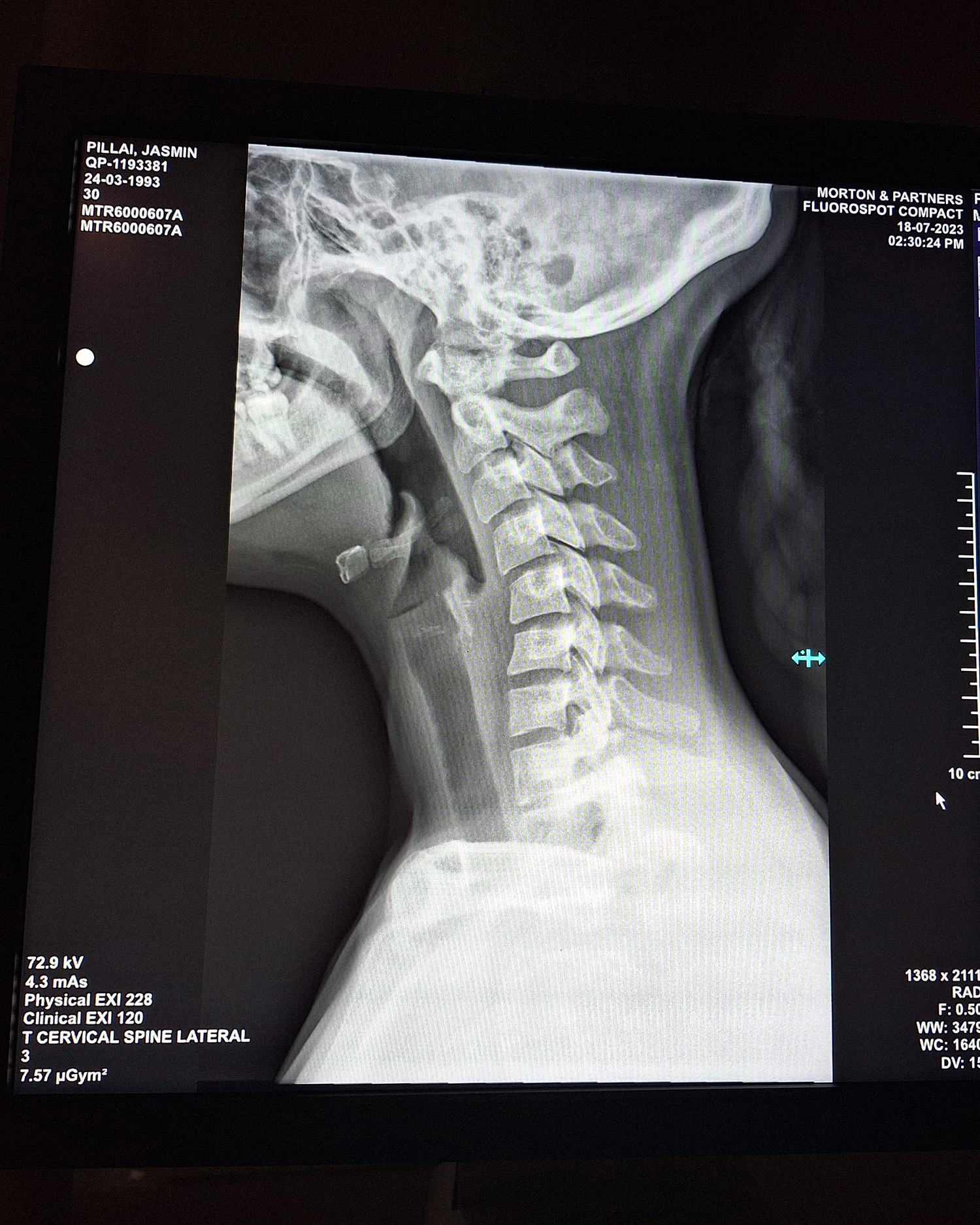
Unfortunately, coming back from these injuries hasn’t been without lasting effects. My wrist is something I’ve had to learn to manage. My knee is still not okay. And my neck remains a concern, especially after my most severe whiplash yet. When I don’t fully trust my body, I never push as hard as I could — always holding back out of fear of re-injury.
Injuries can cause major setbacks, both physically and psychologically. Here are some lessons I’ve learned that have truly helped:
What to Do When You’re Injured
1. If It Hurts, Stop!
I’ve been that person who doesn’t know when to stop — pushing through pain in the hopes it’ll just go away. Spoiler: it usually doesn’t. Missing a climbing session (or three) to get assessed by a physio is not an overreaction. I made both my wrist and knee injuries worse by trying to “tough it out.” Trust me, it’s not worth it.
2. Get the Right Help
In Cape Town, we’re lucky to have physios who understand climbing. These are the people who genuinely want to help you get back on the wall. Ask your climbing community for recommendations — climbers know which healthcare providers actually get it.
3. Trust Your Gut
You know your body better than anyone. If something still feels wrong, even after a diagnosis, don’t hesitate to get a second opinion. I kept pushing through pain with my knee, only to find out much later that the injury was more serious than I’d been told. Athletes often have higher pain thresholds, which can work against us when it comes to getting proper treatment.
4. Rest When You Need To
When I broke my foot (though I didn’t know it yet), I still went out that night, crutching around at a show. A drag queen in heels literally carried me up the stairs! Later, a friend made a comment about how climbers always overreact to injuries — until she saw the crutches under the table. There’s pressure to always keep training, even while injured. But sometimes, real recovery means slowing down, both physically and mentally.
5. Acknowledge Your Feelings
Injuries don’t just hurt your body — they hurt your spirit. I’ve grieved missed Rocklands seasons and competitive goals derailed by a single moment. Don’t bottle up the disappointment. Let yourself feel it, so you can move through it.
6. Find Alternative Comfort Zones
When I couldn’t climb, I committed to conditioning classes in Muizenberg. The structure helped, and the classes were led by a physio who adapted everything to suit my injury. Whether it’s pottery, drawing, or something totally unrelated to climbing, try something new. Set times and routines can help give purpose and keep you mentally balanced.

📷 @Allister Fenton
How to Find Your Mojo Again
1. Rehab Is Non-Negotiable
Don’t skip it. No matter how strong you feel, jumping straight back in is a recipe for reinjury (ask me how I know). Rehab helps rebuild muscle coordination and stabilisation. After one whiplash injury, I ignored rehab, took a low fall — and ended up with another, worse case just weeks later. Start slow. Ease in. Let go of your need to “prove” yourself.
2. Maintenance & Conditioning
Coming back will be uncomfortable. Muscles will ache. Use tools like foam rollers and include antagonistic exercises to balance things out. Now’s the perfect time to fix those long-standing imbalances and lay a better foundation for the future.
3. Find Someone Who Gets It
It helps to talk to someone who’s been through a similar experience. They’ll understand your fears and setbacks in a way others might not. Whether it’s advice or just empathy, connection helps.
4. Work on the Mental Side
Sometimes your brain triggers a protective pain response, even when your body is okay. I once felt a neck exercise “hurt,” only to realise on the second attempt that it was fine. Retraining your brain to trust your body again takes time and patience. Be kind to yourself.
5. Reignite the Spark
After convincing yourself for months that not climbing was okay, it’s hard to reverse that mindset. Make it fun again. Play games, climb with friends, treat yourself to something you love post-session. Motivation isn’t one-size-fits-all. But at some point, you have to choose to try again. No one else can make that decision for you.
The Bottom Line
Injury sucks. It disrupts your training, your daily life, and sometimes your identity. You might need help, a different outlet, or even just a good cry.
But it’s not forever.
These mantras got me through the worst:
- “This is not forever, it’s just for now.”
- “I may feel like I’ll never climb again, but I will.”
- “I’ll reach my goals — this is just a setback.”
- “There’s always next season.”
- “I have the resilience of a cockroach!”